
Whiten My Teeth Johannesburg
Your Whitening OptionsTeeth darken as you get older, and most of it is not your fault
Whiten my teeth contents
Teeth darken as you get older, and most of it is not your fault.
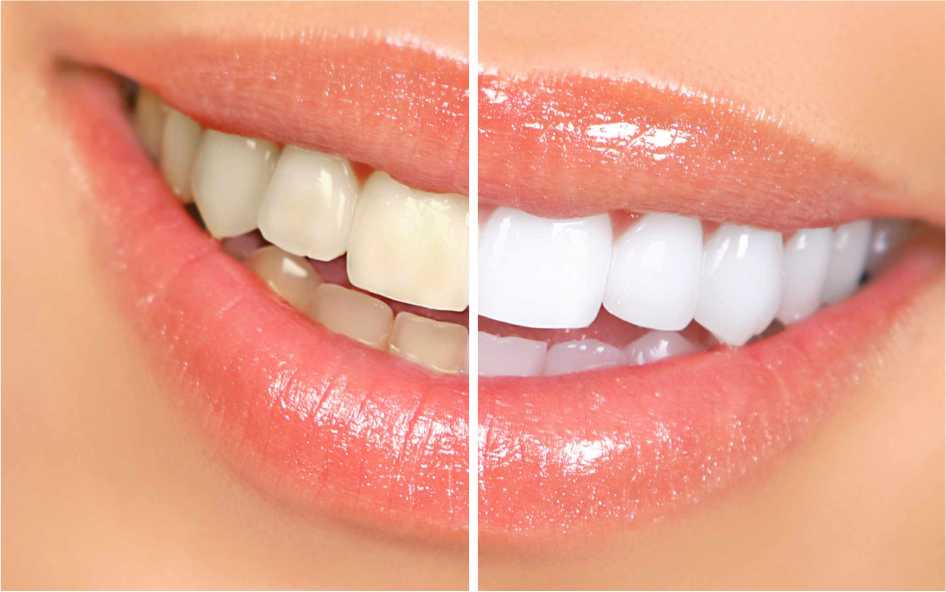
Coffee, tea, red wine and smoking all leave colour behind. So does simply getting older, because the enamel thins and the darker layer underneath starts to show through. Both happen slowly, which is why most people only notice in a photograph.
The good news
There is more than one way to lighten teeth, and they do not all suit the same person. What works depends on what caused the staining in the first place.
Find the Right Whitening Option
What Is Actually Staining Your Teeth
Surface staining sits on the outside of the enamel. It comes from what you eat, drink and smoke, and it responds well to whitening.
Deeper discolouration is different. It sits inside the tooth, and it can come from ageing, from an injury, or from certain medicines taken while the teeth were still forming. It needs a different approach, and your dentist can tell the two apart by looking.
Why Teeth Lose Their Colour
Results vary from person to person, and that is normal. Yellow-toned teeth usually lighten more readily than grey-toned ones. Whitening also has no effect on fillings, crowns, veneers or bridges, so if you have work at the front, the shades may no longer match afterwards.
When Whitening Is Not the Answer
Whitening is not the answer to everything. If a tooth aches, if your gums bleed, or if a dark patch has appeared in one spot, get it looked at first. Whitening an untreated cavity or inflamed gums makes the sensitivity worse and treats none of the cause.
One Tooth Darker Than the Rest
A single tooth that is darker than the ones beside it usually means something happened inside that tooth, often an old knock or previous root canal treatment. Whitening the outside will not fix it, because the discolouration is coming from within.
These cases are treated from inside the tooth instead.
Your dentist will confirm whether that tooth is suitable.
Your Whitening Options
There is no single right answer for everyone. The best option depends on how stained your teeth are, what caused it, and whether you have any dental work at the front of your mouth.
Professional whitening
Professional whitening is done in the chair by your dentist, using a stronger agent than anything sold over the counter. Your gums are protected first. It gives the fastest result, and it is supervised throughout.
Take-home trays
Take-home trays are made to fit your teeth from an impression, so the gel stays on the enamel and off the gums. They work more gradually than in-chair whitening, and you use them at home over a set number of days.
Over-the-counter kits
Over-the-counter kits are the cheapest route and the least predictable. Strips and one-size trays leak, which irritates the gums, and the agent is weaker. They can help with light surface staining and do very little for anything deeper.
Make teeth whitening last
Whitening is not permanent. The same things that stained your teeth the first time will stain them again, so what you do afterwards decides how long the result holds.
- The first day or two matters most, because the enamel takes up colour more readily while it settles
- Coffee, tea, red wine, cola and curry are the usual culprits
- Smoking undoes the result faster than anything else on this list
- Rinsing with water after a staining drink helps more than people expect
- Your normal brushing and a regular scale and polish keep surface staining down
Many people have a short top-up later rather than repeating the whole treatment. Your dentist will tell you what is reasonable for your teeth.
Ready to Brighten Your Smile?
A consultation is the clearest way to know exactly where you stand and what is possible for your situation.
Get Started
Book an assessment
Book an assessment at any of our Johannesburg practices.
Examination
You are told which type of staining you have, and whether whitening will help it.
Treatment Plan
Any existing crowns, veneers or front fillings are checked, since these do not lighten.
Whitening Treatment
You choose the option that fits, and your dentist explains what to expect.
Frequently Asked Questions
Does whitening damage your teeth?
Not when it is done properly. Professional whitening uses a controlled agent, your gums are protected, and your dentist checks your teeth are healthy first. The risk comes from unsupervised products and ill-fitting trays that let the gel sit on the gums.
Why are my teeth sensitive afterwards?
Sensitivity during and just after whitening is common and usually settles on its own. It tends to show up as a short, sharp response to cold. Tell your dentist if you already have sensitive teeth, because it changes how the treatment is planned.
Will whitening work on my crowns and fillings?
No. Whitening only lightens natural tooth enamel. Crowns, veneers, bridges and white fillings stay exactly the shade they were made. If you have any of these at the front, your natural teeth may end up lighter than the dental work, and matching them again means replacing it.
How long will the result last?
There is no fixed answer, because it depends almost entirely on habits. Heavy coffee, tea, red wine or smoking will dull the result noticeably sooner. Most people notice a gradual fade rather than a sudden change.
Are the kits from the pharmacy worth it?
They are the cheapest option and the least predictable. The agent is weaker, and one-size trays and strips do not seal against your teeth, so the gel reaches the gums and misses the edges. They can lift light surface staining and do very little for anything deeper.
The FresherBreath Method
Holistic Care for Lifelong Health
The FresherBreath Method represents the union of evidence-based dentistry and whole-body medicine. Our philosophy is simple yet transformative: oral care should not exist in isolation, it should actively support a person’s overall health at every stage of life.
As awareness grows about the connection between oral and systemic health, patients are seeking more than convenience. They want care that is meaningful, preventive, and lasting.