
What In-Chair Whitening Is
Professional whitening is done at the practice in one appointment. A strong gel is applied to your teeth and activated while your dentist watches.
The difference from a home kit is the strength of the gel and who controls it. That is also why it works faster.
Your gums and lips are protected first. Nothing strong touches soft tissue, which is the main risk when people whiten at home.
What Happens on the Day
- Your dentist checks for decay and gum problems, and records your starting shade.
- Your teeth are cleaned so the gel meets enamel rather than plaque.
- A barrier is placed over the gums and the lips are held clear.
- The gel goes on, and is left for a set time in cycles.
- The gel is removed, the shade is recorded again, and you are given aftercare advice.
Most appointments run about ninety minutes. You can eat afterwards, though not everything, which is covered below.
What Result to Expect
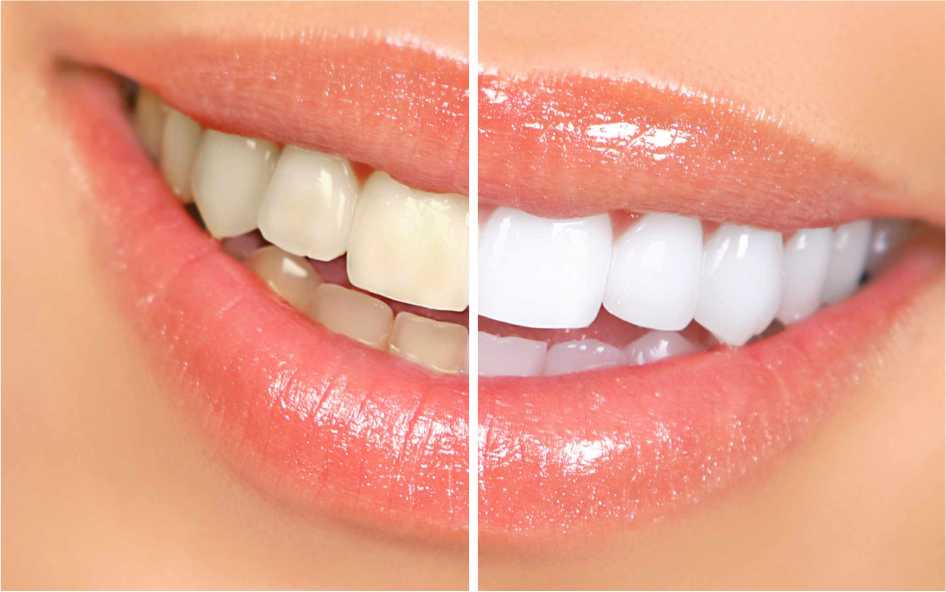
Most people lift several shades in one visit. Your dentist records the before and after shade, so the change is measured rather than guessed.
Deeply stained teeth may need a second session. Teeth that started close to their natural white have less room to move.
Whitening lifts the natural tooth to a brighter version of itself. It does not produce one flat shade across every tooth.
Who It Suits
In-chair whitening suits you if you want a visible change quickly, or if you have tried a home kit and were disappointed.
It also suits people who find trays awkward. Everything happens in one appointment, so there is nothing to remember at home.
When it is not the answer
- Untreated decay or gum disease. Both are treated first.
- Crowns, veneers and white fillings. These do not lighten at all.
- A single dark tooth, which usually needs internal bleaching instead.
- Pregnancy and breastfeeding, where whitening is postponed.
- Grey staining from certain antibiotics, which responds poorly.
If you have front fillings or crowns, they will stay their original shade. Your dentist will tell you whether they need replacing afterwards to match.
Sensitivity
Some sensitivity is normal for a day or two. It usually feels like short sharp twinges rather than a constant ache.
It happens because the gel opens tiny channels in the enamel. Those channels close again, which is why the feeling settles.
Tell your dentist if you already have sensitive teeth. A desensitising product before and after the appointment makes a real difference.
The First Two Days
Your enamel takes on colour easily straight after whitening. What you avoid in the first forty-eight hours matters more than anything later.
- No red wine, coffee, tea or cola.
- No curry, tomato-based sauces, beetroot or berries.
- No smoking, which stains faster than any food.
- Choose chicken, fish, rice, pasta and white cheese instead.
After two days you can go back to normal. Drinking staining drinks through a straw still helps over the longer term.
How Long It Lasts
Expect one to three years, depending on what you eat, drink and smoke. Coffee and red wine drinkers are at the shorter end.
The fade is gradual, so most people do not notice it. Comparing against your recorded shade shows the change clearly.
Many patients keep a set of take-home trays for occasional top-ups. That combination lasts longer than either option on its own.
How Whitening Actually Works
Stain sits inside the tooth, not only on the surface. That is why brushing harder does nothing for it.
The gel releases oxygen, which passes through the enamel into the layer beneath. There it breaks the stain molecules into smaller pieces.
Smaller molecules reflect more light, so the tooth reads as brighter. Nothing is stripped off and no enamel is removed.
Is It Safe
Whitening supervised by a dentist does not damage healthy enamel. The concern with unsupervised whitening is the gum, not the tooth.
A strong gel on unprotected gum causes chemical burns. At the practice the gum is sealed off before anything is applied.
The check beforehand matters just as much. Whitening over a cavity drives gel into the tooth, which is where lasting sensitivity comes from.
Related Reading
- Home whitening kits, and what they can realistically do
- Veneers, for stains that whitening cannot lift
- Polishing and fluoride