
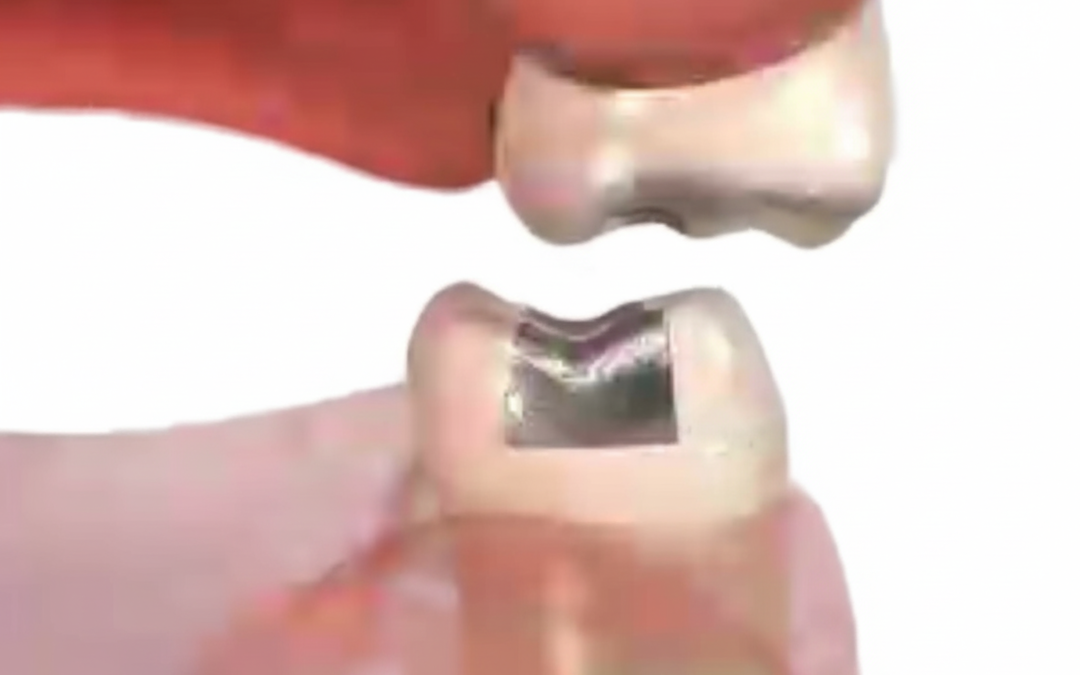
What Are Dental Crowns?
A dental crown, also called a cap, is a hollow artificial tooth. It covers and protects a damaged or decayed natural tooth. The crown restores the tooth's shape, strength and appearance.
Your dentist fits a crown when a tooth is too weak to hold a filling. That often happens after root canal treatment or a fracture. A crown also covers a tooth that looks badly discoloured or misshapen.
Who Chooses Dental Crowns in Johannesburg?
Patients at our practices choose crowns to:
- Strengthen a cracked or broken tooth
- Protect a tooth after a large filling or root canal treatment
- Improve the shape, colour or alignment of a tooth
- Restore worn or weakened teeth
- Anchor a dental bridge on either side of a gap
Crowns work for both cosmetic and functional reasons. They suit people who want to keep a damaged tooth rather than lose it. If your tooth is chipped, cracked or broken, a crown is often the repair that saves it.
Types of Dental Crowns
Crowns differ in the material they are made from. The material affects how the crown looks, how long it lasts, and how much tooth your dentist needs to remove.
Porcelain crowns
Porcelain matches the colour and translucency of a natural tooth closely. It is the usual choice for front teeth and for anyone who does not want the repair to show. Read more about porcelain crowns.
Metal crowns
Metal crowns handle heavy chewing force better than any other type. They rarely chip and they need less tooth removed. The trade-off is appearance, so dentists use them mostly on back teeth. Read more about metal crowns.
Porcelain bonded to metal
This type puts a porcelain outer layer over a metal core. You get the strength of metal with a tooth-coloured surface. A thin dark line can show at the gum over time.
When a crown is not the answer
A crown covers the whole tooth, so your dentist removes a fair amount of healthy structure to fit one. When the damage is smaller, an inlay or onlay keeps more of your tooth. Smaller damage again takes a filling.
The Procedure: What to Expect
A crown at FresherBreath usually takes two appointments.
- First visit. Your dentist reshapes and cleans the damaged tooth, then takes an impression. You leave with a temporary crown in place.
- Second visit. Your dentist removes the temporary crown and bonds the permanent one in place. Then they check the fit and your bite.
You get a local anaesthetic for the preparation, so the tooth and gum go numb. Tell your dentist if the temporary crown feels loose or sharp before your second visit.
Modern porcelain and ceramic give a lifelike finish. The crown blends with the teeth beside it and avoids the dull grey look of older materials.
Benefits of Dental Crowns
- Strength: restores the tooth so you can chew normally again
- Appearance: a well-matched crown looks like a real tooth
- Protection: shields a weakened tooth from cracking further
- Range of use: works for restorative and cosmetic cases
- Comfort: feels close to a natural tooth once you adjust
Aftercare Tips for Long-Lasting Results
A crown does not decay, but the tooth underneath still can. Look after the gum line.
- Brush and floss daily to stop plaque building at the crown margin
- Avoid chewing ice, pens and bottle tops
- Do not use your teeth as tools
- Ask us about a night guard if you grind your teeth
- Come for regular check-ups and cleanings
A well-cared-for crown lasts many years. Grinding, poor gum health and decay at the crown margin are what shorten its life. Your dentist checks that margin at every visit.
Come back to us if the crown feels high when you bite, works loose, or the gum around it becomes sore.
Related Reading on Crowns
- Porcelain Crowns – the natural-looking option for front teeth
- Metal Crowns – the strongest option for back teeth
- Inlays and Onlays – when the damage is too small for a crown
- Root Canal Treatment – often needed before a crown goes on
- Dental Bridges – crowns used to anchor a replacement tooth
- Chipped, Cracked or Broken Tooth – the damage a crown repairs
- Tooth Fillings – the repair for smaller cavities