
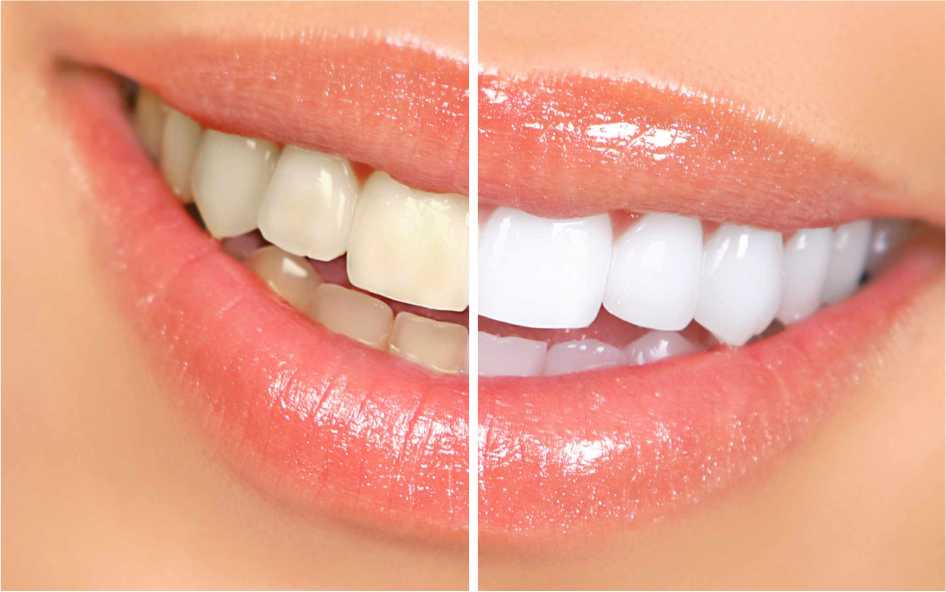
What At-Home Whitening Means
At-home whitening covers two very different things. There are trays your dentist makes for you, and there are products you buy off a shelf.
They are not the same treatment at a different price. The gel strength, the fit and the supervision are all different.
This page explains what each one does. If you want the fastest result in one appointment, see professional whitening instead.
Custom Trays From Your Dentist
Your dentist takes an impression or a scan of your teeth. A thin tray is made to that exact shape, so it hugs each tooth.
That fit is the whole point. The gel stays on the enamel where it works, and off the gum where it causes burns.
- Your teeth are checked, and any decay or gum problem is treated first.
- An impression or scan is taken, and your trays are made.
- Your dentist shows you how much gel to use, which is very little.
- You wear the trays for a set time each day, over one to two weeks.
- You come back so the result can be checked against your starting shade.
The trays last for years. Most people keep them for occasional top-ups, which is cheaper than starting again.
Pharmacy Kits and Strips
Shop-bought kits do work, but they lift less and take longer. The gel is deliberately weak, because nobody is supervising you.
The bigger limitation is the fit. A one-size tray or a flat strip cannot follow the curve of your teeth.
Gel leaks onto the gums, and the gaps between teeth stay untouched. That is why home kits often leave an uneven result.
Whitening toothpaste is different again. It removes surface stain by polishing, and does not change the colour of the tooth itself.
The DIY Trends That Damage Teeth
Several popular home remedies do real harm. Enamel does not grow back, so the damage is permanent.
- Charcoal. It scrubs the surface. Over time it wears enamel thin, and the yellow layer underneath shows through more.
- Lemon juice and vinegar. Acid strips minerals from the tooth. Teeth look brighter briefly, then dull and become sensitive.
- Bicarbonate of soda used daily. Occasional use is mild. Daily scrubbing is abrasive.
- Neat hydrogen peroxide. Uncontrolled strength burns the gums and can cause lasting sensitivity.
- Fruit skins and turmeric. These do nothing at all, beyond staining in some cases.
The pattern is the same in each case. Anything that scrubs or dissolves is removing tooth, not stain.
What Result to Expect
Custom trays lift most people several shades over two weeks. The change arrives gradually, which many patients prefer.
Pharmacy kits lift less, and the result is less even. They suit mild surface staining more than deep discolouration.
Your starting shade sets the ceiling. Teeth that are naturally darker will lighten, but not to the same endpoint as everyone else.
Sensitivity
Short twinges during the first few days are normal. They settle once you stop.
Wearing trays for longer than instructed does not speed anything up. It only increases sensitivity.
If it becomes uncomfortable, take a day off and use a sensitive toothpaste. Tell your dentist rather than pushing through it.
What Home Whitening Cannot Fix
- Crowns, veneers and white fillings, which never lighten.
- One tooth that is darker than the rest, which needs a different treatment.
- Grey staining from certain antibiotics.
- Stains sitting over untreated decay.
Whitening over a cavity is the common mistake. The gel reaches the inside of the tooth, and the sensitivity that follows can last.
Which One Should You Choose
Choose custom trays if you want a proper result and do not mind waiting two weeks. They also give you a set you can reuse.
Choose in-chair whitening if you have a date to be ready for. It is done in one appointment, under supervision.
A pharmacy kit is reasonable for mild surface staining on a small budget. Expect a modest change rather than a transformation.
Many patients combine the two. They start in the chair, then keep trays for top-ups once or twice a year.
Making It Last
The first two days after any whitening are when teeth take on colour most easily. Avoid red wine, coffee, tea, cola and dark sauces.
After that, normal habits are fine. Rinsing with water after a staining drink helps, and so does using a straw.
Smoking undoes the result faster than anything else. A regular clean at the practice keeps surface stain from building again.