
What Are Dentures?
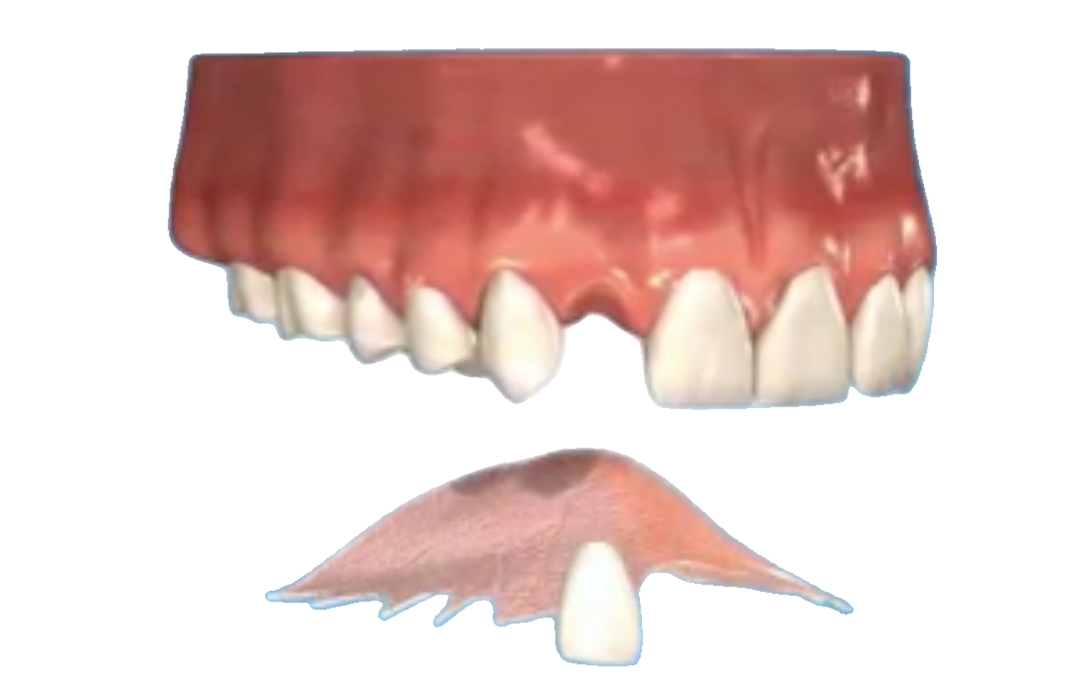
Dentures are removable replacements for missing teeth. They rest on the gum and are taken out for cleaning.
Dentures replace several teeth at once, which is what makes them the practical choice when many teeth are missing or the remaining ones cannot be saved.
Full and Partial Dentures
Full dentures
A full denture replaces all the teeth in one jaw. It rests directly on the gum, and the upper one is held partly by suction against the roof of the mouth.
Partial dentures
A partial denture fills the gaps where some natural teeth remain. It clips onto those teeth for support, which makes it more stable than a full denture.
Your dentist decides between them based on how many teeth remain and how healthy they are.
Who Dentures Suit
- People missing most or all of their teeth in one jaw
- Anyone who needs several teeth replaced at once
- Patients without enough bone for implants, or who prefer to avoid surgery
- People who want a quicker solution than implant treatment allows
- Anyone replacing an older denture that no longer fits
If you are only missing one or two teeth, a bridge or an implant usually works better.
Getting Dentures Fitted
- Your dentist examines your mouth and takes impressions.
- A trial denture is made so you can check the look and the bite before it is finished.
- Adjustments are made at that stage, while changes are still easy.
- The finished denture is fitted and your bite is checked.
Where teeth need removing first, your dentist may fit an immediate denture on the same day so you are not without teeth while the gum heals.
Living With Dentures
New dentures feel bulky for the first few weeks. That settles as your tongue and cheeks adjust.
- Start with soft food cut small, and chew on both sides evenly
- Read aloud at home if certain words feel awkward at first
- Take the denture out at night unless your dentist says otherwise
- Clean it daily over a basin of water so it does not break if dropped
- Use a denture brush and cleaner, never ordinary toothpaste, which scratches
- Keep brushing your gums, tongue and any remaining teeth
Come back if a denture rubs a sore spot. A small adjustment fixes it. Leaving it causes an ulcer.
Why Dentures Need Refitting
The gum and bone underneath a denture slowly shrink, because nothing is loading the bone the way tooth roots used to.
That is why a denture that fitted well can loosen over the years. It is not the denture changing shape, it is the mouth underneath it.
Your dentist can reline a denture to restore the fit. Where a lower denture keeps moving, implants can be used to hold it in place.
Implant-Supported Dentures
Lower dentures move more than upper ones, because there is no palate to grip and the tongue works against them. This is the most common complaint we hear.
A small number of implants placed in the jaw can hold a denture firmly. The denture still comes out for cleaning, but it clips into place and stops sliding while you eat or talk.
It is a middle path between a conventional denture and replacing every tooth with its own implant, and it costs far less than the latter.
Common Denture Problems
- Sore spots in the first weeks are normal and adjusted easily. Come in rather than enduring them.
- Slipping while eating usually means the fit needs relining.
- Difficulty with certain sounds settles within a few weeks of practice.
- Food trapping underneath points to a fit that has loosened.
- A burning or sore palate can indicate a fungal infection under the denture, which is treatable.
None of these means dentures are wrong for you. Most are fit problems, and fit is adjustable.
Book a review if your denture has started to move, rub or trap food. Waiting tends to make the sore spot worse rather than better, and a reline is a short appointment.
Related Reading
- Dental Implants – the option that replaces the root as well
- Dental Bridges – fixed replacement for one or two teeth
- Dental Extraction – when a tooth cannot be saved
- Gum Disease – the leading cause of adult tooth loss
- Dental Crowns – saving a damaged tooth instead of losing it