
What Is Tooth Lengthening?
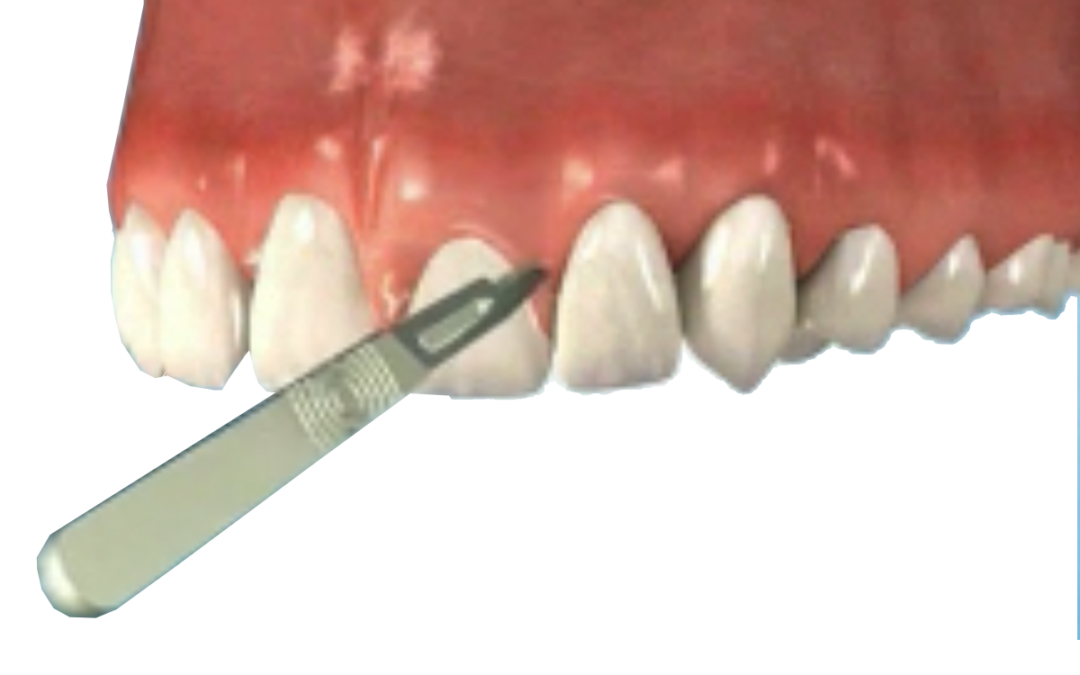
Tooth lengthening reshapes the gum, and sometimes a little bone, to expose more of the tooth underneath. It is also called crown lengthening.
Nothing is added to the tooth and nothing is filed off it. The tooth was always that size. The gum was simply covering more of it than it needed to.
That is what separates this treatment from the others. Veneers cover the front of a tooth and bonding adds material to it. Tooth lengthening changes the gum line instead.
Two Reasons It Is Done
For appearance
Some people show a lot of gum when they smile, and the teeth look short as a result. Lowering the gum line evens out the smile and lets the natural tooth show.
It also corrects an uneven gum line, where one tooth sits higher than its neighbour and draws the eye.
To make another treatment possible
A tooth broken at or below the gum line gives a crown nothing to grip. Exposing a few more millimetres gives your dentist enough tooth to work with.
The same applies where decay runs under the gum. The edge of the filling has to sit somewhere your dentist can reach and clean.
Who Tooth Lengthening Suits
- People whose teeth look short because the gum covers them
- Anyone with a gum line that sits unevenly across the front teeth
- Patients needing a crown on a tooth that has broken near the gum
- Anyone with decay extending below the gum line
- People preparing for veneers who need the gum line evened first
Healthy gums come first. Where gum disease is present, your dentist treats that before reshaping anything.
Gum Lift or Full Crown Lengthening?
Two versions of this treatment exist. Which one you need depends on where the bone sits, not on how much gum you can see.
Gum lift
Only soft tissue is trimmed. This works when there is already enough space between the gum and the bone underneath. Healing is quicker and the result shows sooner.
Full crown lengthening
A small amount of bone is reshaped as well as the gum. Your dentist does this when the bone sits too close to where the new gum line needs to be.
The gum needs a certain amount of room above the bone to stay healthy and attached. Trim the gum without lowering the bone in those cases and it simply grows back to where it started, which is why the x-ray is taken before anything is planned.
What the Treatment Involves
- Your dentist examines the gums and x-rays the bone level.
- The new gum line is planned and marked before anything is removed.
- The area is numbed with local anaesthetic.
- Excess gum is removed, and a small amount of bone if the case needs it.
- The gum is shaped around the teeth and left to heal.
The appointment usually runs about an hour, depending on how many teeth are involved. You are awake throughout and should feel pressure rather than pain.
Healing and Aftercare
- Expect tenderness for a few days, eased by ordinary painkillers
- Eat soft food and chew away from the treated side at first
- Rinse gently with warm salt water rather than brushing the area hard
- Keep brushing the rest of your teeth normally
- Avoid smoking while the gum heals, because it slows healing down
The gum settles into its final position over several weeks. Where a crown or veneers are planned, your dentist waits for that before taking the final impressions, so the edges sit correctly against the healed gum.
What to Expect Afterwards
The teeth look longer straight away, though the gum will still be settling. Some people notice mild sensitivity near the gum line while it heals.
The result is permanent. Gum tissue does not grow back over the tooth once it has been reshaped, which is why the planning stage matters more than the surgery.
Book a consultation if your teeth look short, your gum line is uneven, or a broken tooth has been called untreatable. Exposing a few more millimetres often turns a tooth that was going to be removed into one that can be crowned.
Related Reading
- Dental Crowns – the treatment lengthening most often makes possible
- Veneers – changing the front of the tooth rather than the gum
- Gum Disease – treated before any reshaping begins
- Cosmetic Contouring – reshaping the tooth edge instead
- Dental Bonding – adding material to build a tooth up