
What Are Inlays and Onlays?
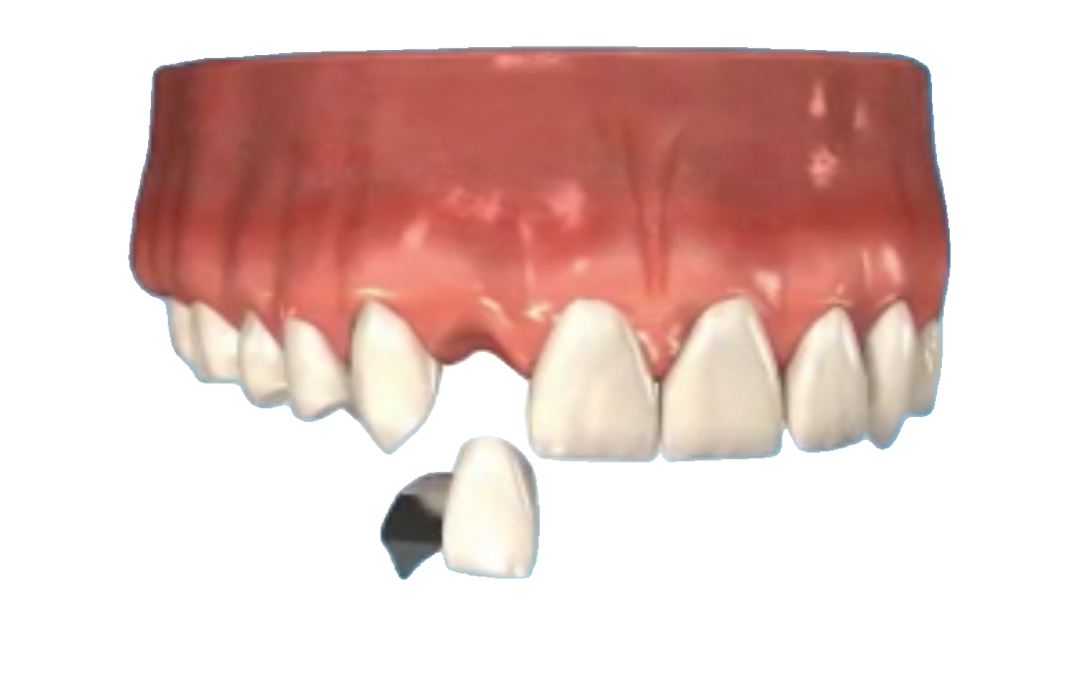
An inlay or onlay is a solid piece made in a dental laboratory to fit one tooth exactly. Your dentist bonds it into the prepared cavity.
They sit between a filling and a crown. A filling is moulded in your mouth and sets there. A crown covers the whole tooth. An inlay or onlay repairs just the damaged part, made to measure.
The Difference Between an Inlay and an Onlay
Both are made the same way. The difference is how much of the tooth they cover.
- An inlay sits inside the cusps, the raised points on the biting surface of a back tooth. It fills the dip in the middle.
- An onlay does that and also covers one or more of the cusps themselves.
Your dentist decides by looking at the cusps. Strong cusps can take chewing force on their own, so an inlay is enough. Weakened cusps need covering, which calls for an onlay.
When You Need One
Your dentist suggests an inlay or onlay when a cavity is too large for a filling to hold safely, but the tooth has too much healthy structure left to justify a crown.
- A large old filling that has cracked or worn down
- Decay covering a wide part of the biting surface
- A cusp that has broken off a back tooth
- A tooth that keeps fracturing around an existing filling
The advantage over a crown is how much tooth you keep. A crown needs the whole tooth reduced. An onlay only replaces what is damaged.
Filling, Inlay or Crown?
| Filling | Inlay or onlay | Crown | |
|---|---|---|---|
| Made | In your mouth | In a laboratory | In a laboratory |
| Visits | One | Two | Two |
| Tooth removed | Least | Moderate | Most |
| Suits | Small cavities | Medium to large damage | Weak or cracked teeth |
For smaller repairs see tooth fillings. For teeth that need full coverage see dental crowns.
Materials
Most inlays and onlays are ceramic or porcelain, matched to your tooth colour. Gold is also used, and it wears extremely well, though it shows.
Ceramic bonds strongly to the remaining tooth. That bond is part of what makes the repair strong, because it holds the tooth together rather than just filling a hole.
The Procedure: What to Expect
- Your dentist removes the decay or the old filling and shapes the cavity.
- An impression or scan captures the exact shape.
- You leave with a temporary filling while the laboratory makes the piece.
- At the second visit your dentist checks the fit, then bonds it permanently in place.
You get a local anaesthetic for the preparation. Tell your dentist if the temporary filling comes out before your second appointment.
Caring for an Inlay or Onlay
- Brush twice daily and clean between your teeth every day
- Avoid biting ice, pens and bottle tops
- Wear a night guard if you grind your teeth
- Come for regular check-ups so we can inspect the bonded margin
Come back to us if it feels high when you bite, or if the tooth turns sensitive and stays that way.
How Long Do Inlays and Onlays Last?
A bonded ceramic onlay lasts many years. Because it is made outside the mouth and cured under controlled conditions, the material is denser than a filling placed by hand.
What fails is usually the bonded margin rather than the ceramic itself. Decay creeping in at that join is the common reason one needs replacing, and that is a cleaning problem.
Your dentist inspects the margin at every routine visit.
Questions About Inlays and Onlays
Why does it take two visits? The piece is made in a laboratory to fit your tooth exactly. That precision is what makes it stronger than a filling, and it cannot be done chairside in the same appointment.
Will it match my tooth? Ceramic inlays and onlays are shade-matched to the teeth around them. On a back tooth the repair is very hard to see.
Is it worth it over a normal filling? On a small cavity, no. A filling is quicker and does the job. On a large one, the extra strength is what stops the tooth splitting later, and a split tooth often cannot be saved at all.
Related Reading
- Dental Crowns – for teeth needing full coverage
- Tooth Fillings – for smaller cavities
- Colour Fillings – comparing every filling material
- Root Canal Treatment – when decay reaches the nerve
- Tooth Decay – how the damage starts