
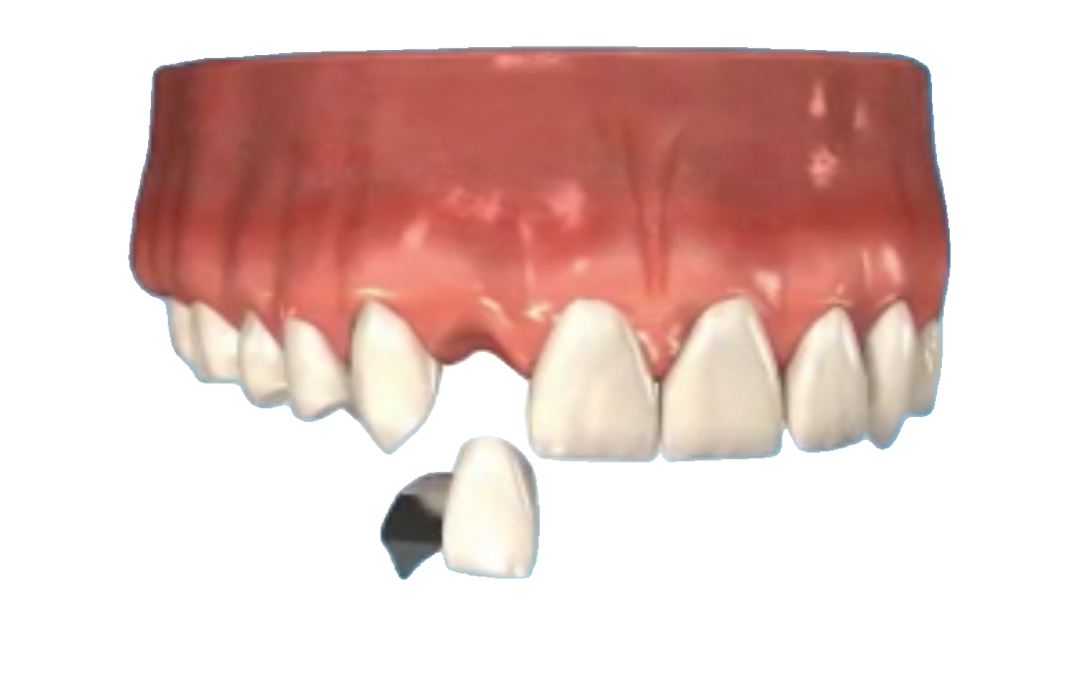
What a Tooth Filling Does
A filling repairs a tooth that decay has damaged. Your dentist removes the decayed part and cleans the space. A filling material then goes in and sets hard. The tooth gets its shape back and you can chew on it again.
At FresherBreath in Johannesburg we place white fillings that match the colour of your own teeth. Most fillings take a single appointment.
Signs You Need a Filling
Book an examination if you notice any of these:
- A sharp twinge when you drink something cold or eat something sweet
- A dull ache in one tooth that keeps coming back
- A hole, dark spot or brown line on a tooth
- A rough edge your tongue keeps finding
- Food that packs into the same spot after every meal
- Pain when you bite down on that side
Some cavities cause no pain at all. Decay between two teeth often shows up only on an X-ray. That is one reason regular check-ups catch problems early.
Old fillings need checking too. A filling that cracks or pulls away from the tooth lets bacteria back in underneath. Your dentist inspects every existing filling at your routine visit.
Decay does not heal on its own. Once bacteria break through the enamel, only a dentist can repair the tooth. Read more about how tooth decay develops.
Types of Tooth Fillings
White fillings (composite)
Composite is a tooth-coloured resin. Your dentist places it in thin layers. A curing light hardens each layer. It bonds straight onto the tooth, so less healthy structure needs removing.
White fillings suit front teeth and most back teeth. The repair does not show when you smile.
Glass ionomer
Glass ionomer releases fluoride into the tooth over time. Dentists often pick it for children and baby teeth. It also suits cavities close to the gum line. It is softer than composite, so it wears faster under heavy chewing.
Amalgam (silver) fillings
Amalgam is a hard-wearing metal mixture used in back teeth for many years. It stands up well to chewing force but shows as a dark patch. Most of our patients choose white fillings instead.
When a filling is not enough
A filling needs healthy tooth around it to hold onto. Once decay undermines the cusps, a filling can split the tooth under pressure. Your dentist may suggest an inlay or onlay or a crown instead.
If decay reaches the nerve, the tooth needs root canal treatment first.
What Happens When You Get a Filling
- Your dentist examines the tooth. An X-ray shows how deep the decay goes.
- You get a local anaesthetic, so the tooth and gum go numb.
- Your dentist clears out the decayed tissue and cleans the space.
- The filling material goes in, layer by layer.
- Your dentist shapes the filling and checks your bite.
- You rinse, and you are done. Most appointments run under an hour.
You feel pressure and vibration during the treatment rather than pain. Tell your dentist if anything hurts and they will top up the anaesthetic.
How Long Do Fillings Last?
Lifespan depends on the material, the size of the filling and where it sits. Back teeth take far more chewing force, so fillings there wear faster. Grinding your teeth at night shortens the life of any filling.
Your dentist tracks each filling over time. Replacing one early is simpler than treating decay that has crept in beneath it.
Caring for Your Fillings
A well-placed filling lasts for years when you look after it.
- Brush twice a day with a fluoride toothpaste
- Clean between your teeth daily with floss or an interdental brush
- Cut back on sugary drinks and snacks between meals
- Avoid chewing ice, pens and bottle tops
- Wear a night guard if you grind your teeth
- Come for a check-up at the interval your dentist sets
Mild sensitivity to cold for a week or two after a filling is normal. Come back if the tooth stays sensitive, feels high, or aches.
Why Early Action Matters
A small cavity takes a small filling. Left alone, decay works inward towards the nerve and the repair gets bigger. A cavity caught early usually takes one visit. The same cavity a year later may need root canal treatment and a crown.
Decay also spreads to the teeth beside it. Treating one tooth early often saves its neighbours.
Book a check-up if you suspect a cavity. Also book if six months have passed since your last visit. Our dentists examine the tooth and show you what is happening. You hear your options before any treatment starts.
See all the ways we repair damaged teeth.
Related Reading
- Colour Fillings – compare every filling material
- Inlays and Onlays – when a cavity is too big for a filling
- Dental Crowns – when the tooth needs full coverage
- Root Canal Treatment – when decay reaches the nerve
- Tooth Decay – how cavities start