
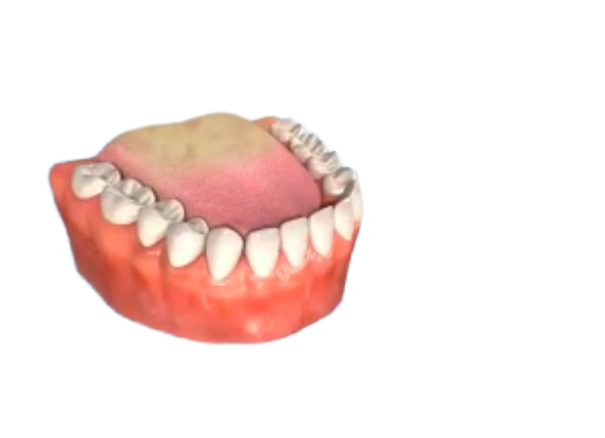
What a Check-Up Is For
A check-up is an examination, not a treatment. Your dentist is looking for problems while they are still small and cheap to fix.
Most dental problems cause no pain until they are advanced. Decay and gum disease both start silently, which is the whole reason check-ups exist.
By the time a tooth hurts, the simple option has often passed. A filling becomes a root canal, and a root canal becomes an extraction.
What Your Dentist Checks
- Every tooth surface, for decay and for cracks.
- Existing fillings and crowns, for leaks or wear.
- Your gums, including how firmly they attach to each tooth.
- Your bite, and signs that you grind at night.
- Your tongue, cheeks and throat, as an oral cancer screening.
- The jaw joint, for clicking or restricted movement.
The oral cancer screening is the part patients least expect. It takes under a minute and is done at every visit.
X-Rays
Some problems cannot be seen by looking. Decay between two touching teeth is the clearest example, and so is bone loss under the gum.
X-rays are not taken at every visit. Your dentist takes them based on your risk and on how long it has been.
The dose from a dental x-ray is very small. Tell your dentist if you are pregnant, and routine images will be postponed.
How Often You Should Come In
Six months suits most adults. It is a starting point, not a rule, and your dentist may shorten or lengthen it.
You may need to come more often
- You smoke or vape.
- You have had gum disease before.
- You are diabetic.
- You get decay easily, or have many fillings.
- You are having orthodontic treatment.
- You have a dry mouth, often from medication.
Children usually come every six months too. Their teeth change quickly, and decay moves faster through thinner enamel.
Is a Check-Up the Same as a Clean?
No. The check-up is the examination, and the clean is a separate procedure that often follows it in the same visit.
Brushing removes soft plaque. Once plaque hardens into tartar it bonds to the tooth, and only instruments will take it off.
The clean is usually finished with polishing and fluoride. If your gums have already been affected, you may need root planing instead.
What You Get at the End
You should leave knowing three things. What was found, what needs doing, and what it will cost.
Ask for the findings in plain terms if anything is unclear. You are entitled to understand what is happening in your own mouth.
Where treatment is needed, you get a written plan. Urgent items are separated from things that can be watched.
Do Not Wait for the Six Months
Book sooner if any of these appear.
- Bleeding gums when you brush.
- Pain, or sensitivity that lasts more than a few days.
- A chipped or loose tooth.
- A lump, ulcer or patch that has not healed in two weeks.
- Bad breath that does not clear with brushing.
- A filling or crown that has come out.
Bleeding gums are the one most people ignore. Gums that bleed are inflamed, and that is the early stage of gum disease.
If You Are Nervous About Coming In
Many adults avoid the dentist for years, usually after one bad experience. The longer the gap, the more they expect to be judged.
Say so when you book. A first visit can be an examination and a conversation, with no treatment done at all.
Agree a stop signal with your dentist, such as raising your hand. Knowing you can pause at any point removes most of the anxiety.
What Changes Between Visits
Your dentist compares each visit against the last. That comparison is what turns a check-up into early detection.
A gum measurement that has deepened by a millimetre means something. On its own at one visit it means very little.
This is the real argument for going regularly to the same practice. The record is worth as much as the examination itself, because it shows direction and not just a moment.
Related Reading
- Tooth decay, and how it starts
- Gum disease
- Pit and fissure sealants
- Polishing and fluoride