
Choosing Between the Options
There are three realistic ways to whiten teeth. Choosing between them is a question of time, control and how long you want the result to last.
They differ far more in commitment than in chemistry. All three use a peroxide gel, at very different strengths.
For what each option is, see whiten my teeth. This page compares them side by side.
How Long Each One Takes
- In-chair whitening. One appointment of roughly ninety minutes.
- Custom trays from your dentist. Two short visits, then one to two weeks of wear at home.
- Pharmacy kits. No appointment, and typically two to four weeks of daily use.
If you have a date to be ready for, the in-chair route is the only one that is certain. The others depend on you keeping to the routine.
How Much Change to Expect
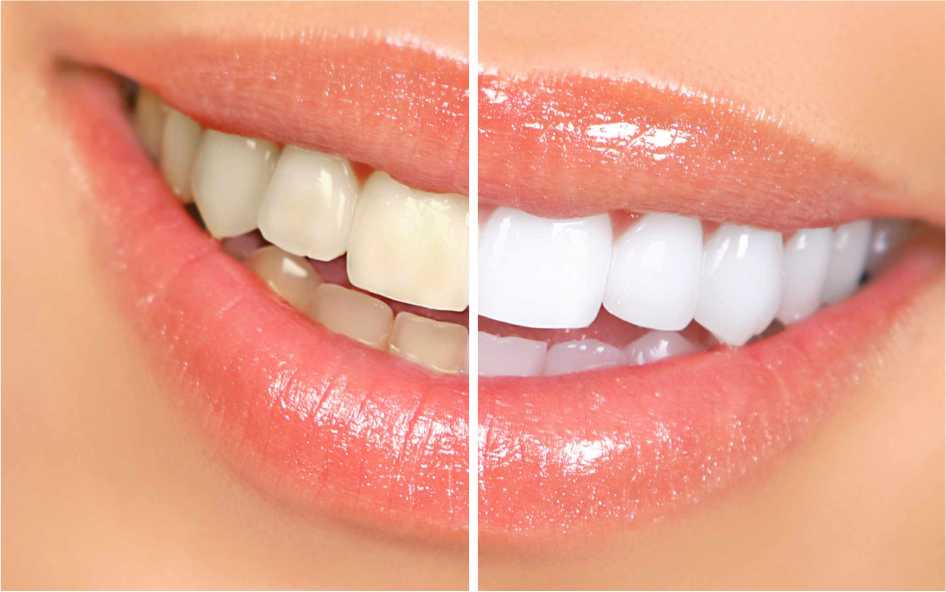
In-chair whitening gives the largest change in the shortest time. Your starting and finishing shades are both recorded.
Custom trays reach a similar place, more gradually. Many people prefer that, because the change is less obvious to other people.
Pharmacy kits lift least. The tray does not fit closely, so the gel misses the gaps between teeth and the result is less even.
Whitening toothpaste belongs in a different category entirely. It polishes surface stain and does not change the tooth colour.
How Long the Result Lasts
Expect one to three years from a professional result. Coffee, tea, red wine and smoking all shorten it.
The fade is slow enough that most people never notice it. Comparing against the recorded shade is the only reliable way to tell.
This is where custom trays pay for themselves. You keep them, so a top-up costs only a syringe of gel.
Control and Safety
The risk with whitening is almost never the enamel. It is gel sitting on gum, and whitening over a problem that was never checked.
In the chair, your gums are sealed off before anything is applied. With custom trays, the fit keeps the gel off the gum.
A one-size tray or a strip cannot do either. That is the real difference between a fitted option and a shelf one.
Which One Suits You
- An event in two weeks. In-chair, with trays afterwards to hold it.
- No deadline, and you like control. Custom trays.
- Sensitive teeth. Trays, at a lower strength over more nights.
- Mild surface staining only. A clean and polish may be enough.
- Deep or uneven staining. In-chair first, then reassess.
- One dark tooth. Neither. That needs internal bleaching.
If stain is only on the surface, start with polishing and fluoride. It costs less and sometimes settles the question.
When Whitening Is Not the Answer
No option lightens crowns, veneers or white fillings. They stay exactly the shade they were made.
If you have front fillings, whitening the teeth around them makes them stand out. They may need replacing afterwards to match.
Where the shape is the real concern rather than the colour, veneers or bonding solve it instead.
Untreated decay or gum disease is always treated first, whichever option you pick.
Sensitivity Compared
Sensitivity depends on gel strength and contact time. In-chair whitening is strongest, so short twinges over a day or two are common.
Trays are gentler, and you can simply skip a night. That flexibility is why they suit people who already have sensitive teeth.
A desensitising product before and after helps with either. Ask before you start rather than after it bites.
Before You Whiten
Every option starts with the same check, and it is the step people most want to skip.
- Your dentist checks for decay and gum problems.
- Existing crowns, veneers and front fillings are identified, because they will not lighten.
- The type of staining is assessed, and whether whitening will lift it.
- Your starting shade is recorded, so the change can be measured.
- You choose the option that fits your timing and your sensitivity.
Recording the starting shade matters more than it sounds. Without it, nobody can say afterwards how much actually changed.
Holding the Result
The first forty-eight hours matter most. Avoid red wine, coffee, tea, cola and dark sauces while the enamel takes on colour easily.
After that, a straw and a rinse of water after staining drinks both help. Regular cleans keep surface stain from rebuilding.