
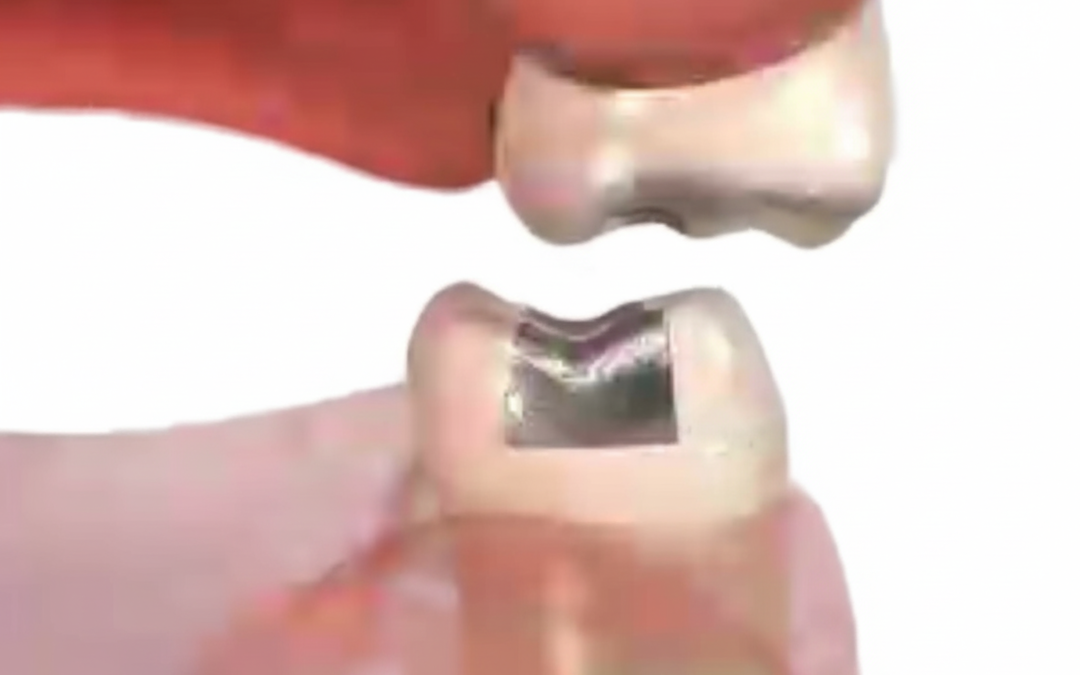
What Is a Metal Crown?
A metal crown is a cap made entirely of metal alloy. It covers a damaged tooth and takes the force of chewing off it. Dentists have used metal crowns longer than any other type, and they still outlast every alternative.
Metal crowns are the strongest option available. They rarely chip or crack. The trade-off is appearance, so your dentist will normally suggest them for back teeth.
For an overview of all crown types, see our guide to dental crowns.
The Two Types of Metal Crown
Gold alloy crowns
Gold crowns mix gold with other metals for strength. Gold wears at a rate close to natural enamel, so it treats the opposing tooth gently. It also seals well at the margin, which keeps bacteria out.
Base metal alloy crowns
These use metals such as nickel, chromium or cobalt. They resist corrosion and need very little tooth removed. They are harder than gold, so they wear the opposing tooth faster.
Tell your dentist if you have ever reacted to costume jewellery or a metal watch strap. Nickel sensitivity is worth knowing about before your dentist picks an alloy.
Why Choose Metal Over Porcelain?
| Metal crown | Porcelain crown | |
|---|---|---|
| Strength | Highest | Good |
| Appearance | Dark metal, clearly visible | Matches your tooth |
| Tooth removed | Least of any crown | More |
| Chipping risk | Very low | Possible |
| Usual position | Back teeth and molars | Front and back teeth |
The choice comes down to where the tooth sits. Nobody sees your back molars when you talk, so strength matters more than colour there. On a front tooth, the opposite applies. Read about porcelain crowns for the tooth-coloured option.
Who Metal Crowns Suit Best
- People who need a crown on a molar or a back tooth
- People who grind or clench their teeth at night
- Teeth with limited space between the jaws, where a thicker crown will not fit
- Teeth where the dentist wants to keep as much natural structure as possible
- Anyone who wants the longest-lasting repair and does not mind the colour
A metal crown often makes sense after root canal treatment on a back tooth. The tooth becomes more brittle after treatment, and metal protects it well.
Getting a Metal Crown Fitted
The fitting takes two visits, the same as any crown. Your dentist reshapes the tooth, takes an impression, and fits a temporary crown. A laboratory makes the permanent crown, and you return to have it bonded in place.
Metal needs less tooth removed than porcelain does. That is one of its quiet advantages: your dentist keeps more of your natural tooth.
You get a local anaesthetic for the preparation. You feel pressure rather than pain.
Caring for a Metal Crown
The crown itself will not decay. The tooth underneath still can, so the gum line is what needs your attention.
- Brush and floss daily, paying attention to the crown margin
- Avoid chewing ice, pens and bottle tops
- Ask us about a night guard if you grind your teeth
- Come for regular check-ups so we can inspect the margin
Come back to us if the crown feels high when you bite, works loose, or the gum around it turns sore.
How Long Do Metal Crowns Last?
Metal crowns routinely outlast every other type. Many stay in place for decades when the gum around them stays healthy.
What shortens a crown's life is rarely the metal. Decay creeping in at the margin is the usual reason one needs replacing. That is a gum-health problem rather than a materials problem.
Your dentist inspects that margin at every routine visit and catches it early.
Questions About Metal Crowns
Will people see a metal crown? On a back molar, rarely. The crown sits far enough back to stay hidden during normal speech and smiling. On a premolar it may show when you laugh.
Can a metal crown be swapped for a white one later? Yes. Your dentist removes the metal crown and fits a porcelain one. That means preparing the tooth a second time, so the first decision is worth taking slowly.
Do metal crowns damage the opposing tooth? Gold wears at a rate close to natural enamel and treats the opposing tooth gently. Harder base metal alloys wear it faster. Your dentist weighs this when choosing the alloy.
Related Reading
- Dental Crowns – every crown type explained
- Porcelain Crowns – the tooth-coloured option
- Inlays and Onlays – when a crown is more than you need
- Root Canal Treatment – often comes before a crown
- Chipped, Cracked or Broken Tooth – the damage a crown repairs