
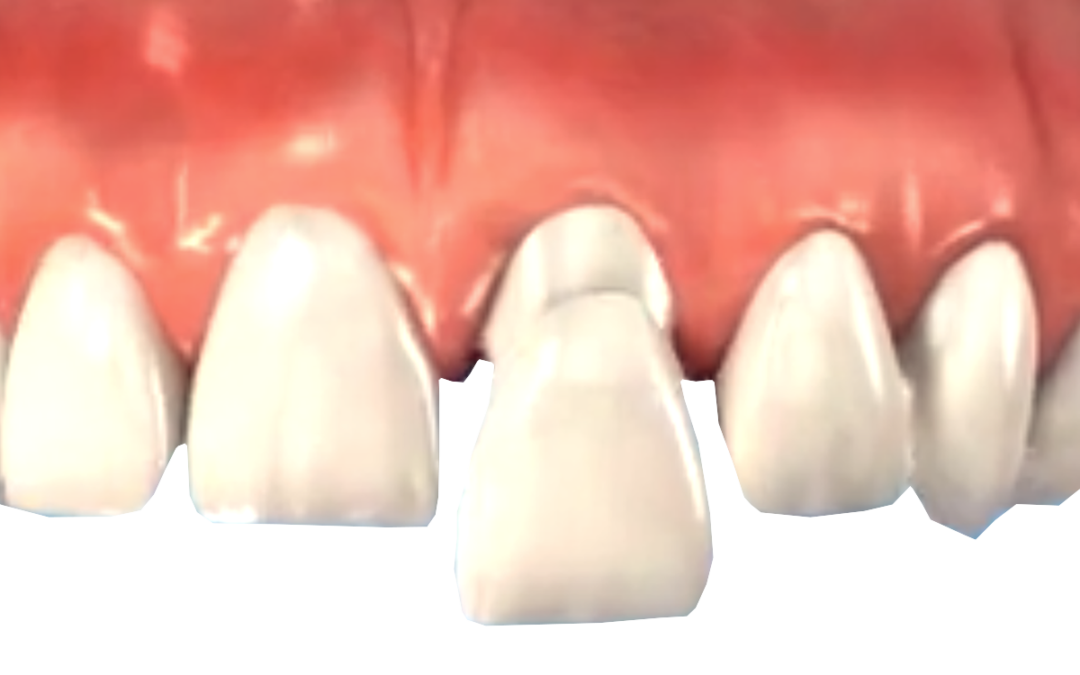
What Is a Porcelain Crown?
A porcelain crown is a cap made of dental ceramic. It covers a damaged tooth completely and restores its shape and strength. Porcelain reflects light in much the same way tooth enamel does, so a well-made crown is hard to pick out.
Porcelain is the usual choice wherever the crown will be seen. That means front teeth, and the premolars that show when you laugh.
For an overview of every crown type, see our guide to dental crowns.
Why Porcelain for Front Teeth?
Your dentist matches the crown to the shade of the teeth on either side. Ceramic can be layered to copy the slight variation in a natural tooth, so it does not read as a flat block of colour.
Metal cannot do this. A metal crown on a front tooth is obvious every time you speak. Read about metal crowns for the back-tooth option.
Types of Porcelain Crown
All-ceramic crowns
These are porcelain the whole way through. They give the best colour match because no metal sits underneath to dull the light. They suit front teeth well.
Zirconia crowns
Zirconia is a very strong ceramic. It handles chewing force better than standard porcelain while staying tooth-coloured. Dentists often pick it for back teeth where appearance still matters.
Porcelain fused to metal
A porcelain outer layer sits over a metal core. You get metal strength with a tooth-coloured surface. Over years a thin dark line can appear at the gum as the gum recedes slightly.
Porcelain or Metal?
| Porcelain crown | Metal crown | |
|---|---|---|
| Appearance | Matches your tooth | Dark metal, visible |
| Strength | Good, zirconia very good | Highest |
| Tooth removed | More | Least of any crown |
| Chipping risk | Possible under grinding | Very low |
| Usual position | Front teeth and premolars | Back teeth and molars |
Tell your dentist if you grind your teeth at night. Grinding is the main thing that chips porcelain, and a night guard protects the crown.
Getting a Porcelain Crown Fitted
The fitting takes two visits.
- First visit. Your dentist reshapes the tooth and takes an impression, then matches the shade against your other teeth. You leave with a temporary crown.
- Second visit. Your dentist removes the temporary crown and bonds the porcelain one in place, then checks the fit and your bite.
You get a local anaesthetic for the preparation, so you feel pressure rather than pain. Say something if the shade looks wrong when your dentist tries the crown in. Adjusting it before bonding is simple.
If the nerve inside the tooth is infected, you need root canal treatment before the crown goes on.
Caring for a Porcelain Crown
Porcelain does not decay. The natural tooth underneath still can, so the gum line needs your attention.
- Brush and floss daily, paying attention to the crown margin
- Avoid biting ice, pens and bottle tops
- Wear a night guard if you grind your teeth
- Come for regular check-ups so we can inspect the margin
Come back to us if the crown chips, feels high when you bite, or the gum around it turns sore.
Who Porcelain Crowns Suit Best
- Anyone needing a crown on a front tooth or a premolar
- Teeth that have darkened badly after an injury or root canal treatment
- Teeth too damaged for a veneer but still worth saving
- Patients who have reacted to metal in the past
- Anyone replacing an old metal crown that now shows at the gum
Porcelain needs more tooth removed than metal does. Your dentist weighs that against how much the tooth will be seen.
How Long Do Porcelain Crowns Last?
A porcelain crown lasts many years when the gum around it stays healthy. Grinding shortens that, and so does decay creeping in at the margin.
The crown itself does not decay. What fails is almost always the natural tooth underneath, or the gum receding to expose the join. Both are things good daily cleaning prevents.
Your dentist checks the margin at every routine visit and catches trouble early.
Questions About Porcelain Crowns
Will the crown match my other teeth? Your dentist takes a shade match against the teeth beside it before the laboratory starts. Ask to check the colour at the try-in stage, before anything is bonded.
Can porcelain crowns be whitened? No. Whitening lifts natural enamel only. Whiten your natural teeth first, then match the crown to the new shade.
Related Reading
- Dental Crowns – every crown type explained
- Metal Crowns – the strongest option for back teeth
- Veneers – a thin shell instead of a full cap
- Inlays and Onlays – when a crown is more than you need
- Root Canal Treatment – often comes before a crown