
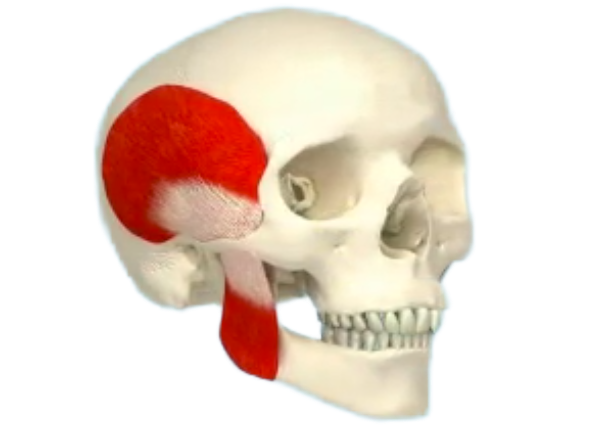
What Is Bruxism?
Bruxism is the medical name for grinding or clenching your teeth. Most people who do it grind at night while they sleep, so they have no idea it is happening.
Your jaw can apply far more force while you sleep than it ever does while you eat. That is why night grinding damages teeth in a way normal chewing never would.
Signs You Grind Your Teeth
Most patients find out from a partner who hears it, or from a dentist who spots the wear. Look for these:
- A dull headache around your temples when you wake up
- Jaw ache or stiffness first thing in the morning
- Teeth that look shorter or flatter across the biting edges
- Increasing sensitivity to hot and cold
- Small chips along the edges of your front teeth
- A partner who hears grinding at night
- Tenderness in the muscles at the side of your face
- Fillings or crowns that keep breaking or coming loose
Grinding wears enamel away slowly, so the change creeps up on you. Your dentist compares your teeth against earlier records and notices it before you do.
What Causes Bruxism?
There is rarely one single cause. Doctors and dentists do not fully understand why some people grind and others do not.
- Stress and anxiety, the most common factor in adults
- Sleep problems, including snoring and interrupted breathing at night
- A bite that does not meet evenly, so the jaw keeps searching for a comfortable position
- Caffeine, alcohol and smoking, which all make night grinding worse
- Some medications, particularly certain antidepressants
- Children grinding during growth, which often settles on its own
Tell your dentist about any medication you take and how you have been sleeping. Both change what treatment makes sense.
What Grinding Does to Your Teeth
The damage builds up in stages, and each stage costs more to repair than the one before.
| Stage | What happens | Usual repair |
|---|---|---|
| Early | Enamel wears flat, teeth turn sensitive | A night guard, no repair needed |
| Moderate | Edges chip, old fillings crack | Bonding or a filling |
| Advanced | Teeth shorten, cusps break away | An onlay or a crown |
| Severe | A tooth splits or the nerve is exposed | Root canal treatment, or loss of the tooth |
Grinding also strains the joint that connects your jaw to your skull. That can lead to temporomandibular joint dysfunction, which brings clicking, locking and facial pain with it.
How We Treat Bruxism
A night guard
This is the first step for most patients. A night guard is a custom shield worn over your teeth while you sleep. It takes the grinding force instead of your enamel.
A guard made from an impression of your own teeth fits better and lasts longer than a shop-bought one. A poorly fitting guard can change your bite, so have it made properly.
Treating the cause
A guard protects your teeth but does not stop the grinding. Where stress is driving it, managing the stress matters as much as the guard. Where snoring or broken sleep is involved, your dentist may suggest you see a doctor about it.
Repairing the damage
Worn and chipped teeth can be rebuilt once the grinding is under control. Depending on how much tooth is left, that means bonding, an onlay, or a crown.
Your dentist will usually want the guard in place first. Rebuilding teeth without protecting them means the new work takes the same punishment the old teeth did.
What You Can Do at Home
- Cut back on caffeine, especially in the afternoon and evening
- Reduce alcohol, which makes night grinding worse
- Wind down properly before bed rather than working late
- Notice daytime clenching and let your jaw rest, teeth slightly apart
- Apply a warm cloth to the side of your face if the muscles ache
- Wear your night guard every night, not only when your jaw hurts
When to See a Dentist
Book an examination if you wake with jaw pain or headaches, if your teeth look shorter than they used to, or if a partner has heard you grinding.
Come sooner if a tooth has chipped, if one has become sensitive and stayed that way, or if your jaw locks or clicks painfully. Those signs mean the damage has already started.
Nobody can assess grinding damage from a description. Your dentist examines the wear pattern, checks how your teeth meet, and shows you what is happening before suggesting anything.
Related Reading
- TMJ Dysfunction – the jaw joint problem grinding often causes
- Chipped, Cracked or Broken Tooth – the damage grinding leads to
- Dental Crowns – rebuilding a badly worn tooth
- Inlays and Onlays – restoring a broken cusp
- Tooth Fillings – repairing smaller chips and wear